
Why Tennis? The Benefits of Tennis for Kids
Every parent wants the same things for their child: to be healthy, to be confident, to have good friends and to grow into a capable, resilient person. At Next Point Tennis Academy, we believe tennis is one of the best ways to get there.
Tennis builds a strong, healthy body and a focused, resilient mind. It teaches kids to think for themselves, handle pressure and treat others with respect. It gets them outside, moving and laughing with friends. And unlike many youth sports, it's a game your child can keep playing for the rest of their life.
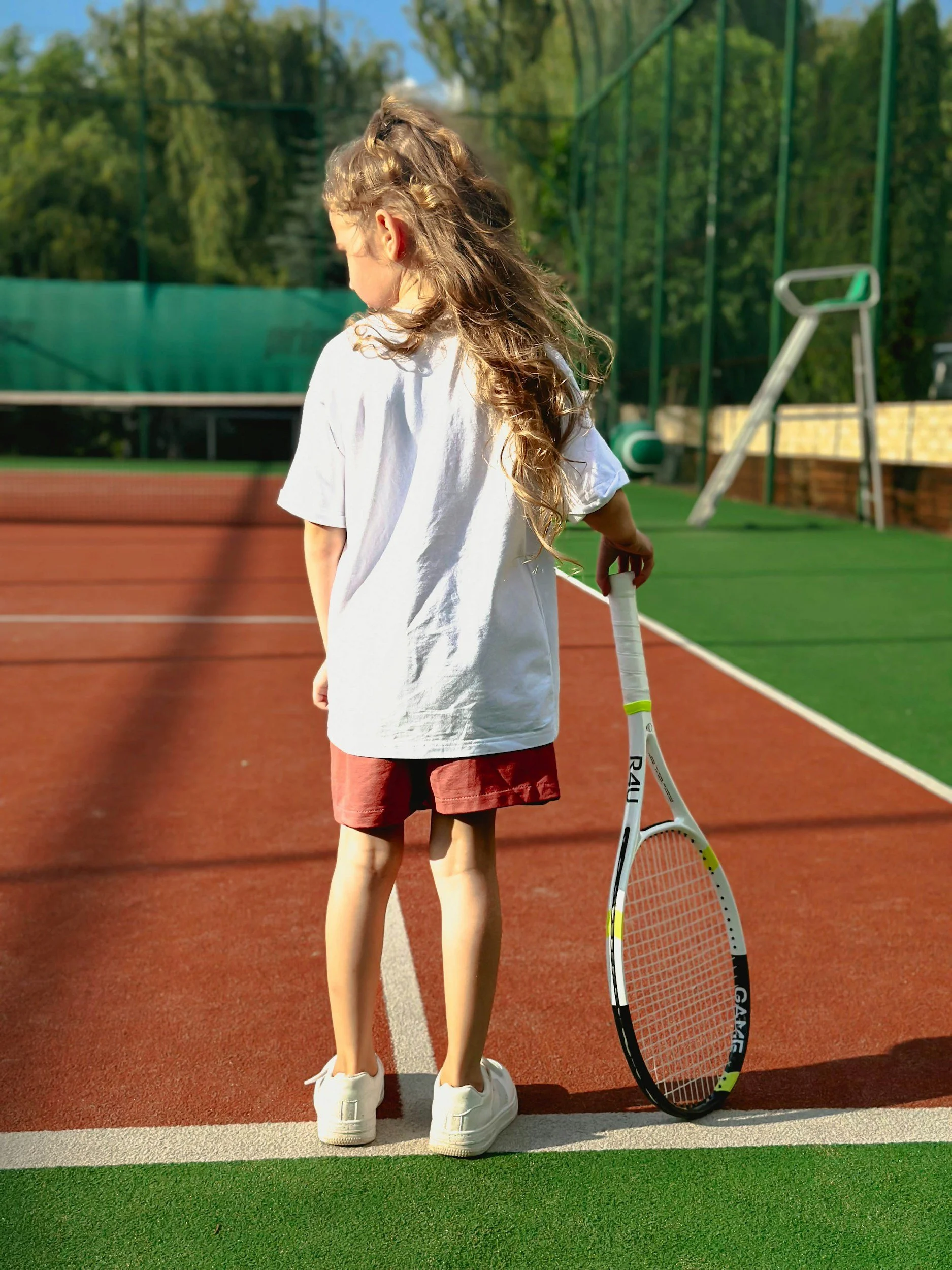
Here's why families in Atherton, Menlo Park, Palo Alto and Redwood City are choosing tennis for their kids, and what the research says about it.
Why Tennis Is One of the Best Sports for Kids
1. It builds athletic foundations for every sport
In tennis, kids run, stop, change direction, track a moving ball and time a swing, all at once. That combination develops hand-eye coordination, balance, footwork, agility and reaction time. These are the core movement skills that help children in any sport they try, from soccer and basketball to swimming and dance, and in everyday play.
2. It's designed for kids' size and pace
Kids don't start on a full-size court with an adult ball. Youth tennis in the US follows a red–orange–green progression. The youngest players use slower, lower-bouncing balls on a 36-foot court. As their skills grow, they move up to a 60-foot court and eventually the full 78-foot court. With smaller rackets and slower balls, even a five-year-old can rally, score points and feel successful from the first lesson.
3. Progress is easy to see
In tennis, improvement is visible and measurable. Kids can see it in a longer rally, a first serve that lands in, or a move up from red ball to orange ball. Those clear milestones keep kids motivated. They also show them that practice pays off, a lesson that carries over to school and everything else they do.
4. It teaches independence and character
On the court, there's no one to sub in. Kids learn to solve problems on their own, manage nerves, bounce back from a lost point and keep competing. In most junior matches, players even call their own lines. That makes every match a lesson in honesty and sportsmanship.
5. It's social
Group clinics, doubles and tennis camps keep kids working with partners, cheering each other on and making new friends. And it all happens outdoors, away from screens.
6. It's a non-contact sport
A net separates the players, so there's no tackling and no collisions. Like any physical activity, tennis carries some risk of injury, but it avoids the contact that's built into many other youth sports.
7. It's a great fit for kids who "aren't sporty"
Not every child loves team sports, and that's okay. Every player gets plenty of time hitting the ball, with no sitting on the bench, and the equipment is scaled to their size. That gives less-experienced kids early wins and real confidence. For many children, tennis becomes the first sport where they feel truly capable.
8. It's a sport for life
Many youth sports end after high school. Tennis doesn't. Kids who learn tennis today can play with friends in college, with colleagues as adults, with their own children someday, and well into their 70s and 80s.
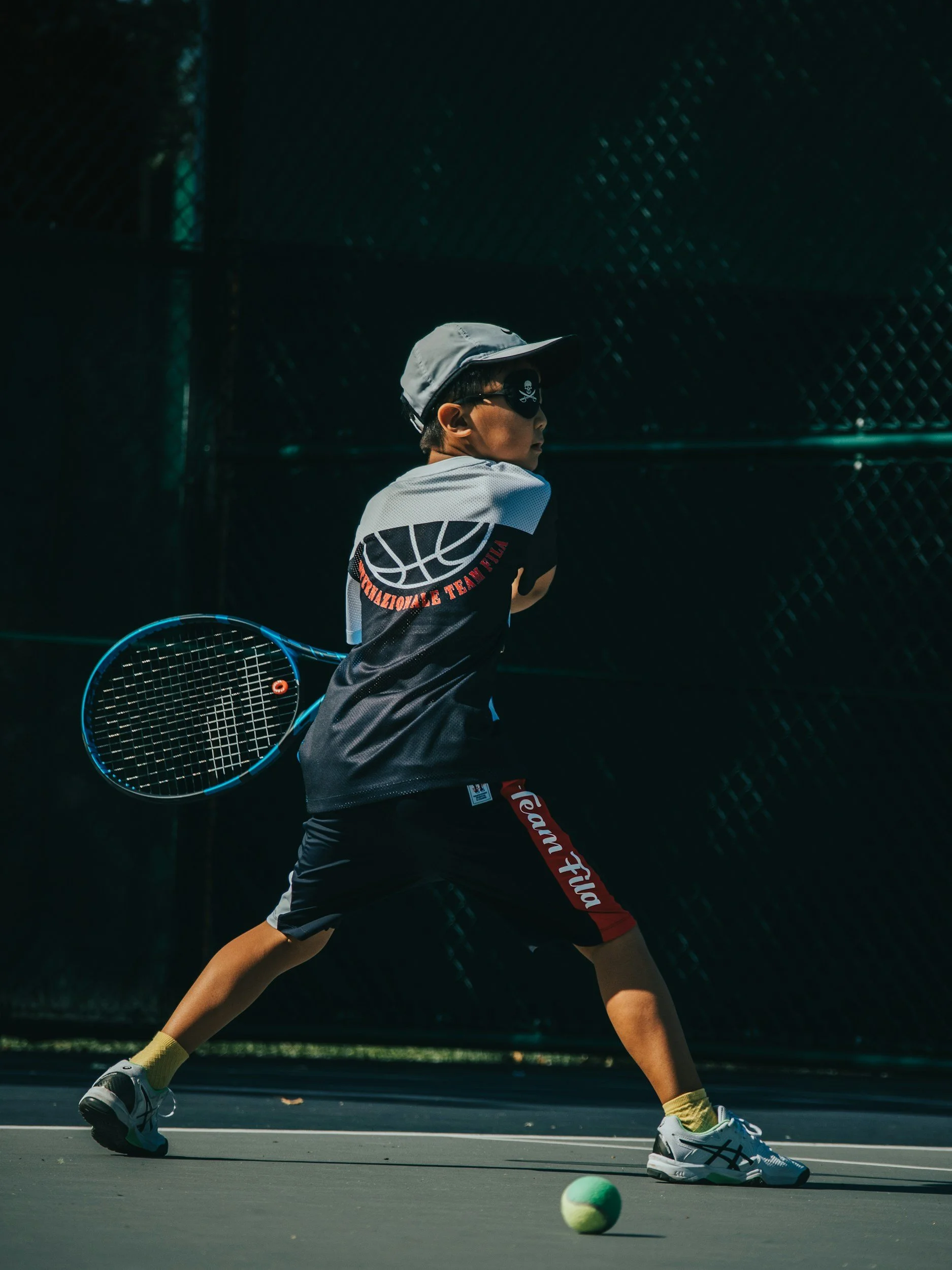
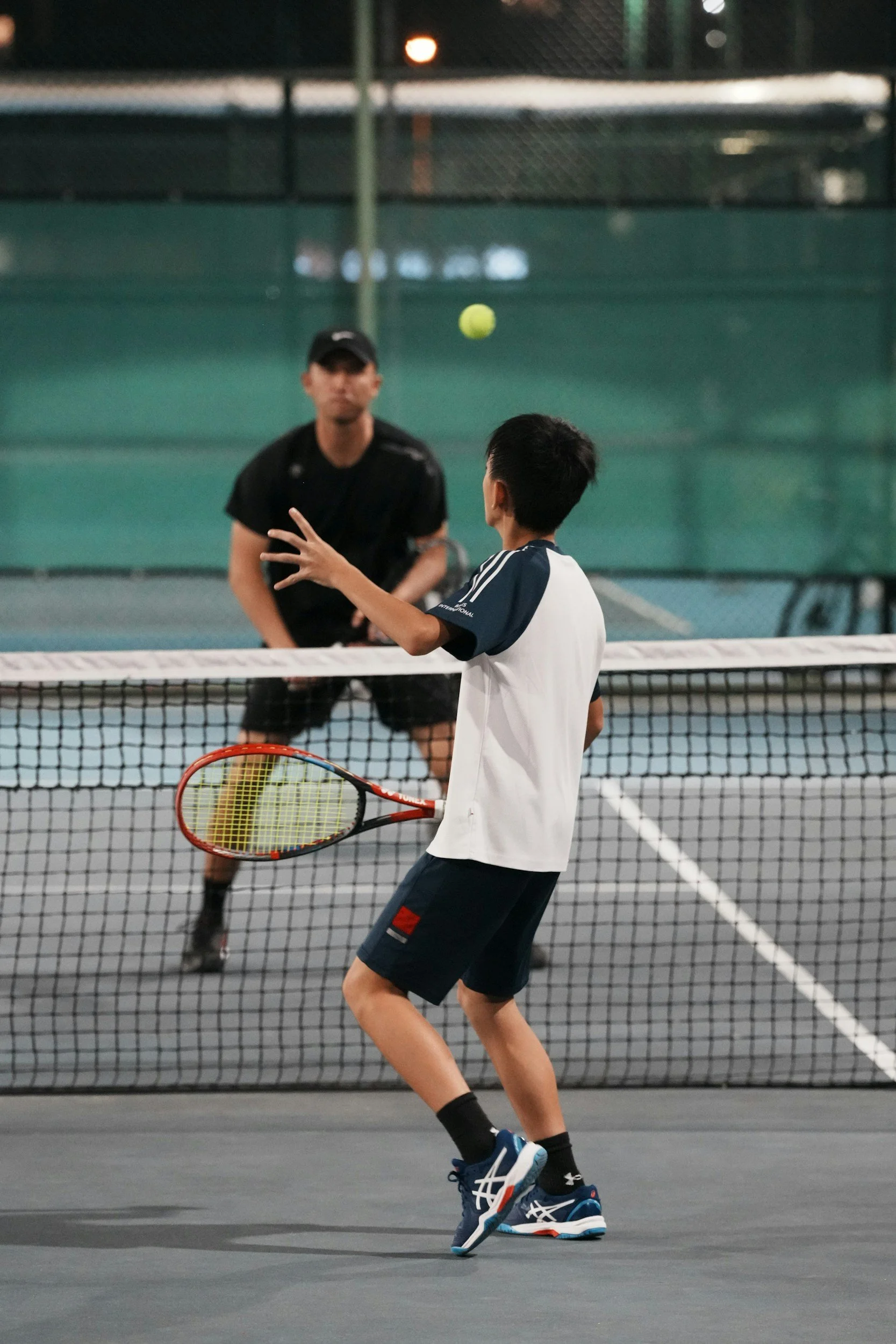
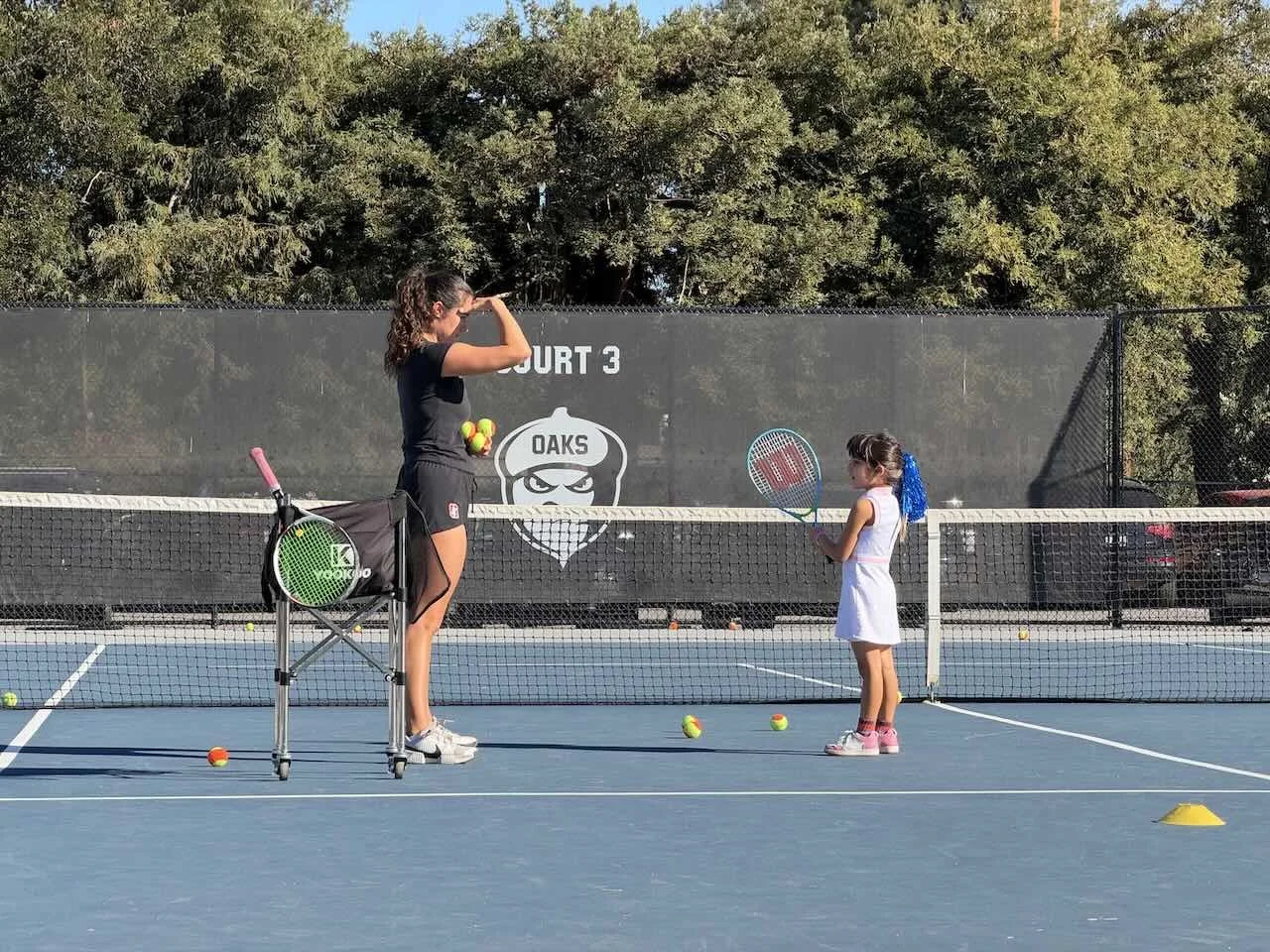
Tennis at Every Age: What Kids Learn as They Grow
One of the best things about youth tennis is that it grows with your child. Here's what the journey typically looks like.
Ages 5–7: Red ball, the first steps
For young beginners, tennis is all about play. Kids use soft, slow red balls on a small court, so they can actually keep a rally going. The focus is on balance, coordination, tracking the ball and simply falling in love with the game, through games, movement challenges and lots of fun.
Ages 7–9: Orange ball, building real skills
With orange balls on a 60-foot court, kids start developing proper strokes, a basic serve and real point play. They begin to learn simple tactics, like moving an opponent around the court. They also learn how to keep score and compete in a positive, low-pressure way.
Ages 9–11: Green ball, the bridge to full court
Green balls are close to a regular tennis ball and are played on the full-size court. Players at this stage refine technique and footwork and develop consistency and strategy. Many start to enjoy friendly match play and team formats.
Ages 11 and up: Yellow ball and beyond
At the yellow ball level, players use standard balls and courts. Whether a teen wants to play recreationally, join a high school team or compete in tournaments, this is where their game, fitness and mental skills come together.
Every child moves at their own pace. Ages are a guide, not a rule, and our coaches place players by skill and readiness rather than age alone.
The Health Benefits of Tennis
Helping kids reach their daily activity goals
The CDC recommends that children and teens ages 6 to 17 get at least 60 minutes of moderate-to-vigorous physical activity every day. That should include bone-strengthening activity at least three days a week. Tennis covers both. It's aerobic, it's built on short sprints, and its running and jumping help build strong bones. The CDC even lists tennis as an example of a bone-strengthening activity for kids.
Yet fewer than 1 in 4 American children meet the daily 60-minute guideline. A regular tennis program is an enjoyable way to close that gap, and kids are far more likely to stay active when the activity is something they genuinely enjoy.
Good for the brain, too
According to the CDC, regular physical activity in school-aged children is linked to better cognition, including memory and academic performance. It's also linked to fewer symptoms of depression. Tennis adds an extra mental layer: every point asks players to read the ball, anticipate their opponent and make split-second decisions.
Linked to a longer, healthier life
Two large studies have put tennis in the spotlight:
- The Copenhagen City Heart Study followed more than 8,500 adults for up to 25 years. On average, tennis players lived about 9.7 years longer than sedentary adults. That was the largest gain of any activity studied, ahead of cycling, swimming, jogging and gym workouts.
- A study of more than 80,000 British adults, published in the British Journal of Sports Medicine, found that people who played racket sports had a 47% lower risk of death from any cause during the study period. Their risk of death from heart disease and stroke was 56% lower.
These studies show strong associations, not proof that tennis alone adds years to your life. Tennis players may differ from non-players in other ways. Still, researchers point to tennis's mix of interval-style exercise and social connection as likely reasons it stands out. And the best way to build a lifelong habit is to start in childhood.
Life Skills Tennis Teaches Kids
Resilience. In tennis, kids lose points constantly, even when they win the match. Learning to let go of a mistake and focus on the next point is one of the most valuable habits a child can build.
Emotional control. Frustration, nerves and excitement all show up on the court. Tennis gives kids a safe place to practice managing big feelings.
Accountability. In singles, there's no one else to credit or blame. Kids learn to own their effort, their choices and their results.
Goal-setting. From landing ten serves in a row to moving up a ball level, tennis offers clear goals kids can work toward step by step.
Respect and sportsmanship. Shaking hands, making fair line calls and supporting a doubles partner teach kids how to compete with integrity.
Building a Strong Mind
Tennis is as much a mental game as a physical one. Every point tests a player's focus, composure and decision-making. That's why mental skills are a core part of how we coach at Next Point. Two of our co-founders hold master's degrees in Sports Psychology. We teach kids practical tools for staying calm, confident and focused, on the court and off it.
Learn more about our Mental Skills programs HERE
Why the Bay Area Is a Great Place to Play Tennis
The Mid-Peninsula's mild climate means outdoor tennis is possible for much of the year, with short pauses on rainy winter days. The region also has an active junior tennis community. USTA Northern California runs youth programs such as Junior Team Tennis and junior circuits, giving kids who want more a clear path into friendly team play and competition.
For families in Atherton, Menlo Park, Palo Alto and Redwood City, that means tennis can be a year-round part of a child's life, not just a summer activity.
Next Point Tennis Academy offers youth tennis programs in Atherton for families across the Mid-Peninsula, including Menlo Park, Palo Alto and Redwood City. We meet every child where they are, whether they've never held a racket or already play. Our programs include:
Clinics (1–2 times per week) for building skills step by step
Weekend camps for fun, active days on the court
Mental Skills Clinics for focus, confidence and resilience
Tell us a little about your player and one of our coaches will reach out with a personal recommendation within 24 hours.